7 Pro Tips for Selecting Custom Tile and Acrylic Wall Systems
Choosing the right materials for a shower or tub surround dictates how well the space handles daily moisture and heavy use. TGD Remodeling guides property owners across Warren County through this exact process, helping them navigate the confusing market of waterproof materials. Grabbing the cheapest tile off a hardware store shelf usually results in cracking grout and hidden water damage down the road.
Whether you lean toward traditional ceramics or modern acrylic panels, the decision comes down to the subfloor conditions, your maintenance habits, and the framing of your home. You need a system that fits your specific daily routine. We compiled the most important trade insights to help you make a smart, durable choice for your wet area.
In This Article:
- Tip 1: Evaluate the Wall Substrate First
- Tip 2: Consider Moisture Resistance Ratings
- Tip 3: Factor in Grout Line Maintenance
- Tip 4: Prioritize Rapid Installation Systems
- Tip 5: Match the Material to Daily Use
- Tip 6: Check the Weight Load on Your Joists
- Tip 7: Look for Built In Recessed Storage
- Frequently Asked Questions
Tip 1: Evaluate the Wall Substrate First
You cannot install heavy stone or dense acrylic over failing drywall. The condition of the studs and the backer board determines what finishing material will actually survive.
- Bare framing: If taking the walls down to the studs, you have the flexibility to install reinforced cement board for heavy custom tile.
- Existing surfaces: Thin acrylic wall systems can sometimes safely mount over existing sound tile if the underlying structure is completely dry.
- Plumb walls: Heavy large format tiles require perfectly straight framing, which often requires a contractor to shim the studs before installation.
Tip 2: Consider Moisture Resistance Ratings
Not all tiles perform the same in a wet environment. You have to look at the porosity of the material to understand how it handles standing water and steam.
- Porcelain density: Porcelain tile is fired at much higher temperatures than ceramic, making it nearly impervious to water penetration.
- Natural stone upkeep: Materials like slate or marble look incredible but require constant chemical sealing to prevent water absorption.
- Acrylic advantages: Solid acrylic panels offer a completely non porous surface that naturally repels water and prevents mold spores from taking root.
Tip 3: Factor in Grout Line Maintenance
Grout is the weakest link in any traditional shower wall system. How much time you want to spend scrubbing dictates the size and style of the material you should choose.
- Large format tiles: Choosing larger tiles drastically reduces the number of grout lines that require regular scrubbing and chemical sealing.
- Epoxy upgrades: If you commit to tile, ask your contractor to use epoxy grout because it resists stains and water much better than traditional cement based grout.
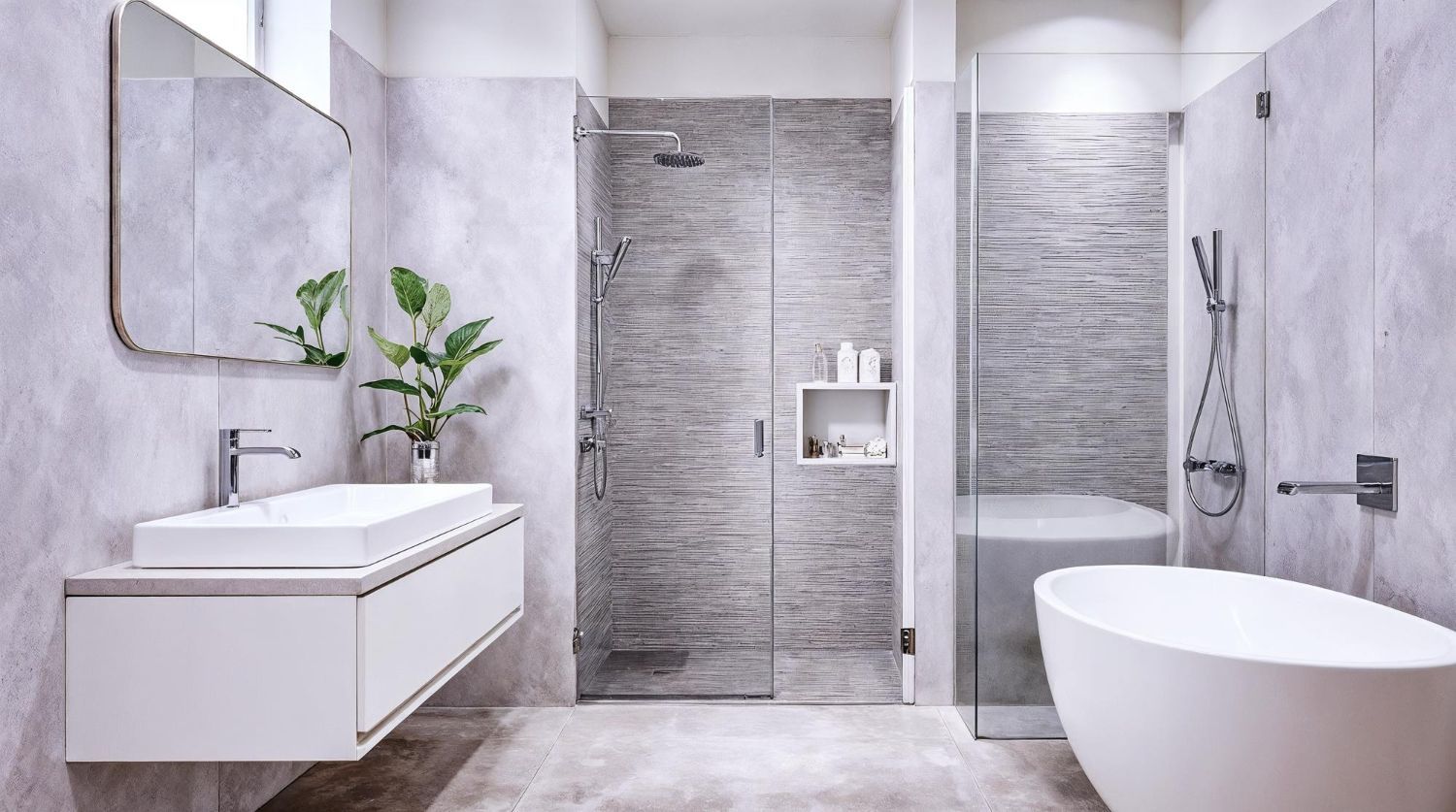
- Seamless panels: Acrylic wall systems eliminate grout entirely, wiping out the need for heavy scrubbing and frequent resealing.
Tip 4: Prioritize Rapid Installation Systems
The length of time your bathroom is out of commission is a massive factor for homes with only one full bath. Certain materials require much longer curing times before you can turn the water back on.
- Mortar curing: Traditional tile requires the thinset to dry for at least twenty four hours before grouting, adding days to the project timeline.
- One day acrylics: Professional acrylic wall systems are cut to fit and mounted with specialized industrial adhesives that cure rapidly.
- Phased inspections: Custom tile work often requires multiple site visits to check the waterproofing membranes before the final finish goes up.
Tip 5: Match the Material to Daily Use
A guest bathroom gets very different traffic than a master suite shared by a large family. You have to pick a material that withstands the actual physical abuse of your household.
- Heavy impact: Acrylic panels possess slight flexibility, allowing them to handle accidental impacts from dropped heavy shampoo bottles without shattering.
- Scratch resistance: High fired porcelain glaze resists scratching better than acrylic when hit with hard plastic cleaning brushes.
- Chemical tolerance: If you prefer using heavy duty chemical cleaners, glazed ceramic tile handles aggressive bleaching better than acrylic finishes.
Tip 6: Check the Weight Load on Your Joists
Older homes with sagging floor systems cannot always handle the massive weight of a floor to ceiling natural stone installation. Trade professionals always calculate the dead load before ordering materials.
- Stone weight: Natural marble or granite tiles add hundreds of pounds to the framing, which may require structural sistering of the floor joists below.
- Acrylic weight: Acrylic systems are incredibly lightweight, making them the safest choice for second floor bathrooms in older, settling homes.
- Mortar bed mass: A traditional mud pan required for custom tile floors adds significant weight that modern foam shower bases completely avoid.
Tip 7: Look for Built In Recessed Storage
Adding shelves after the walls are finished creates points of water intrusion. The best time to plan for shampoo niches is during the material selection phase.
- Molded acrylic: Many acrylic wall systems come with molded corner caddies that are chemically welded to the wall to prevent leaks.
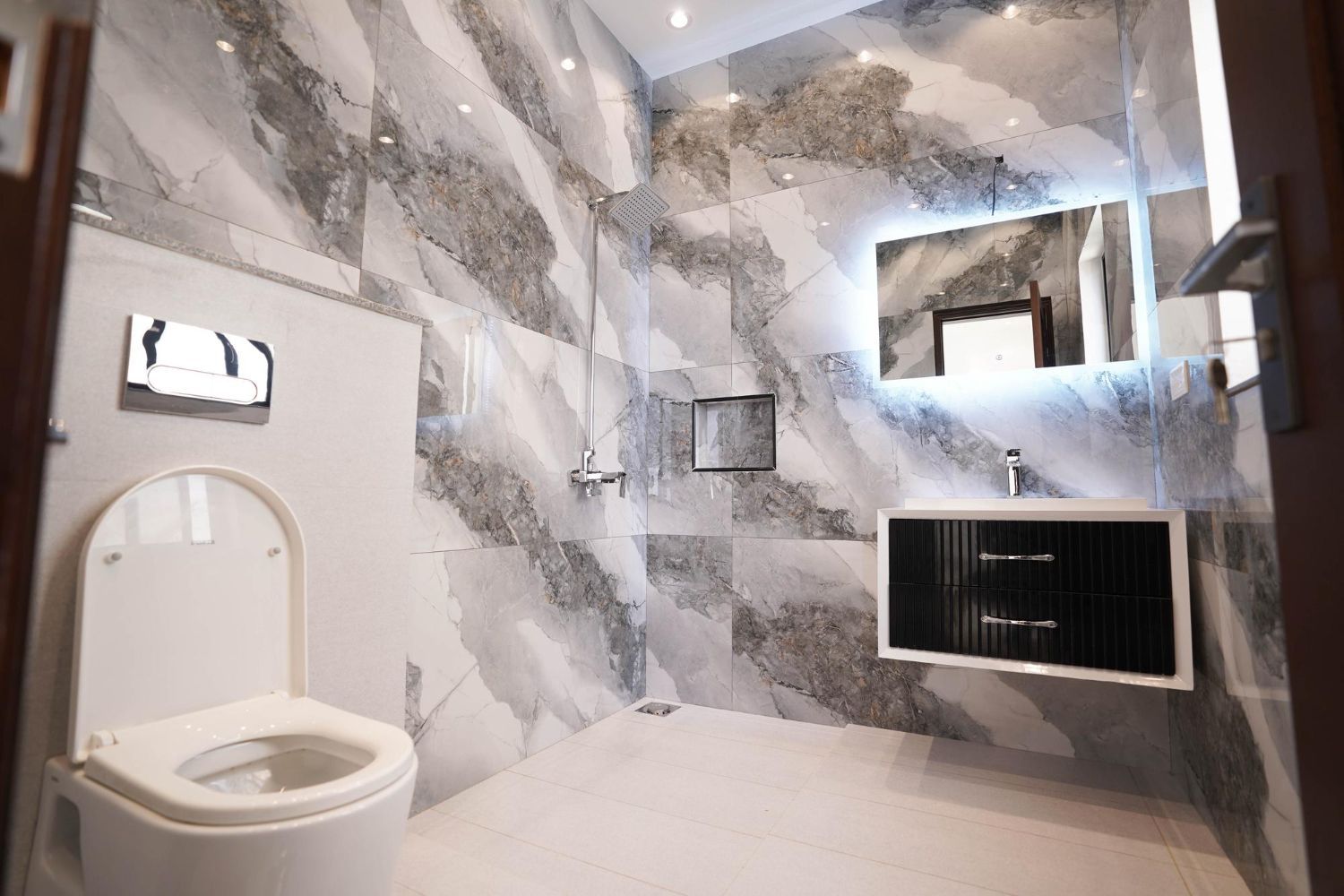
- Custom tile niches: Tile allows for recessed wall niches built between the studs, keeping bottles out of the way without sacrificing elbow room.
- Waterproofing cuts: Any recessed shelf in a tile wall requires meticulous waterproofing tape and liquid membranes to protect the cut framing.
Frequently Asked Questions
How do acrylic wall systems handle expanding and contracting?
Professional acrylic panels are installed using specific patterns of specialized butyl tape and commercial grade adhesive. This combination holds the panel firmly against the wall while allowing enough flexibility for the acrylic to expand and contract with hot steam without cracking.
Why does the grout in my current tile shower keep cracking in the corners?
Corners are changes of plane where two separate walls meet and naturally shift with the house. Using hard cement grout in these inside corners guarantees cracking. A skilled tile setter always uses color matched silicone caulk in the corners to absorb that structural movement.
Making the Final Material Choice
Picking the finishing material for your shower is about balancing the look you want with the maintenance routine you are willing to tolerate. Knowing the structural demands of tile versus acrylic helps you make a confident, lasting choice. Stop staring at failing shower walls and
contact TGD Remodeling to start planning your durable new upgrade.
Share This Blog