Beating New York Humidity With Eco-Friendly Bathroom Remodeling
Humidity is a constant battle for property owners looking to maintain clean and healthy spaces. When airborne moisture gets trapped indoors, it degrades paint and breeds persistent mildew that damages the structural integrity of your property. The team at TGD Remodeling sees these exact moisture problems across local homes every single week. We know that covering up the issue with a fresh coat of paint never works.
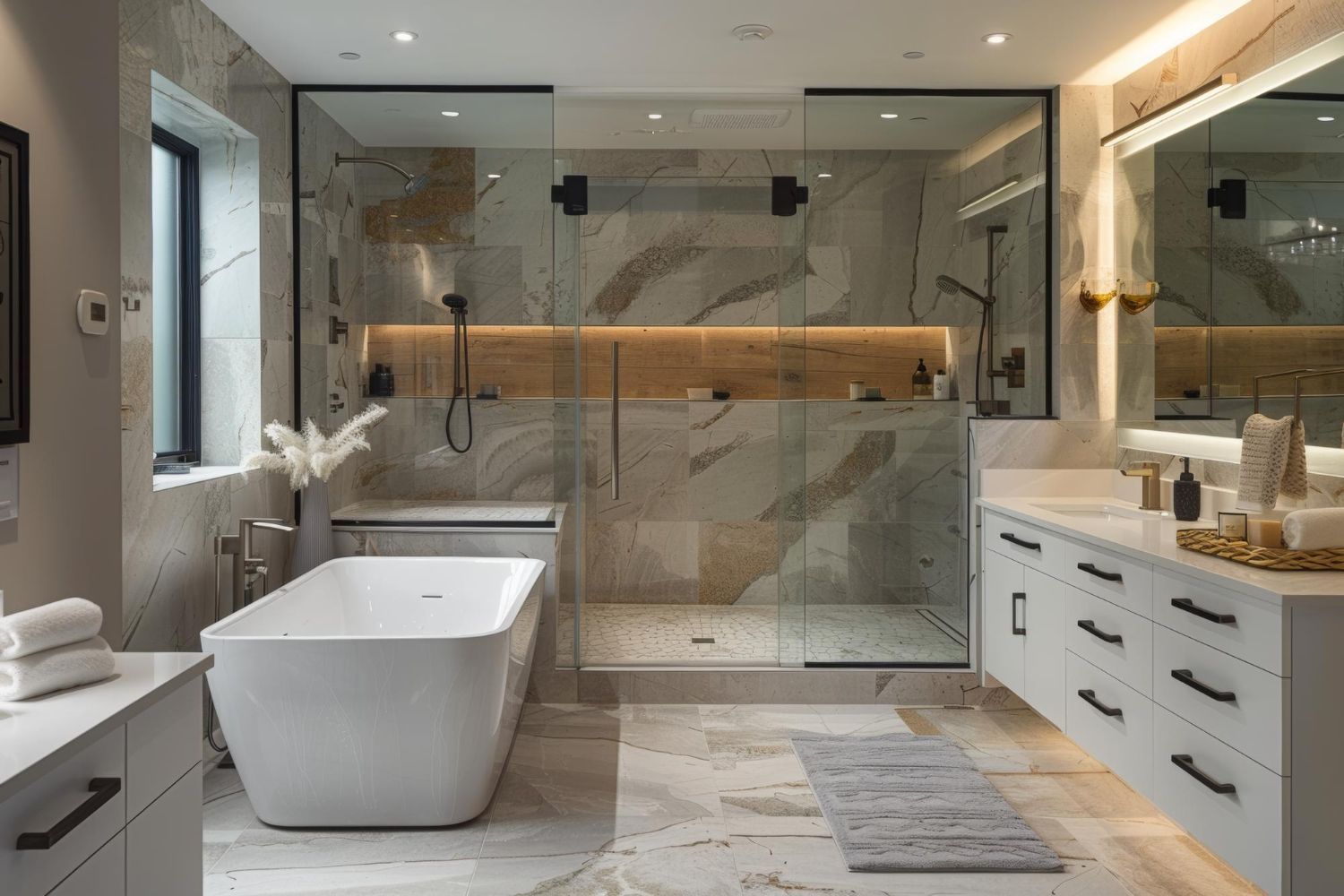
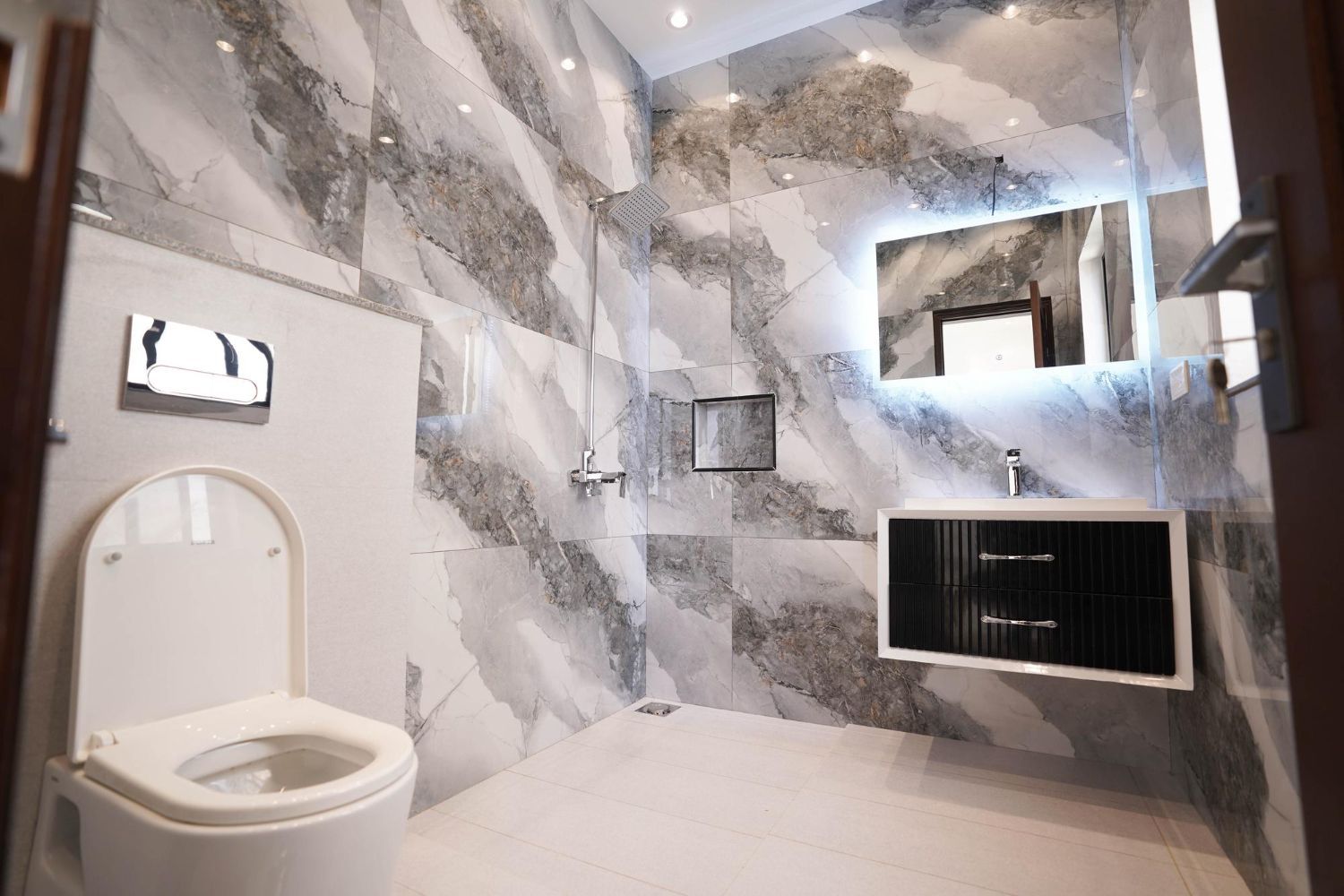
The right materials make all the difference in moisture control. Eco-friendly bathroom remodeling provides a permanent fix by utilizing sustainable products designed to resist water absorption and improve indoor air quality. By choosing the correct green materials and updating your ventilation, you stop the cycle of decay and create a functional space that lasts.
What We Cover:
- Recognizing the Source of Moisture Retention
- Why Over The Counter Fixes and DIY Fail
- How do contractors deal with mold during a bathroom remodel?
- Choosing Materials That Fight Back
- Securing Your Space for the Future
Recognizing the Source of Moisture Retention
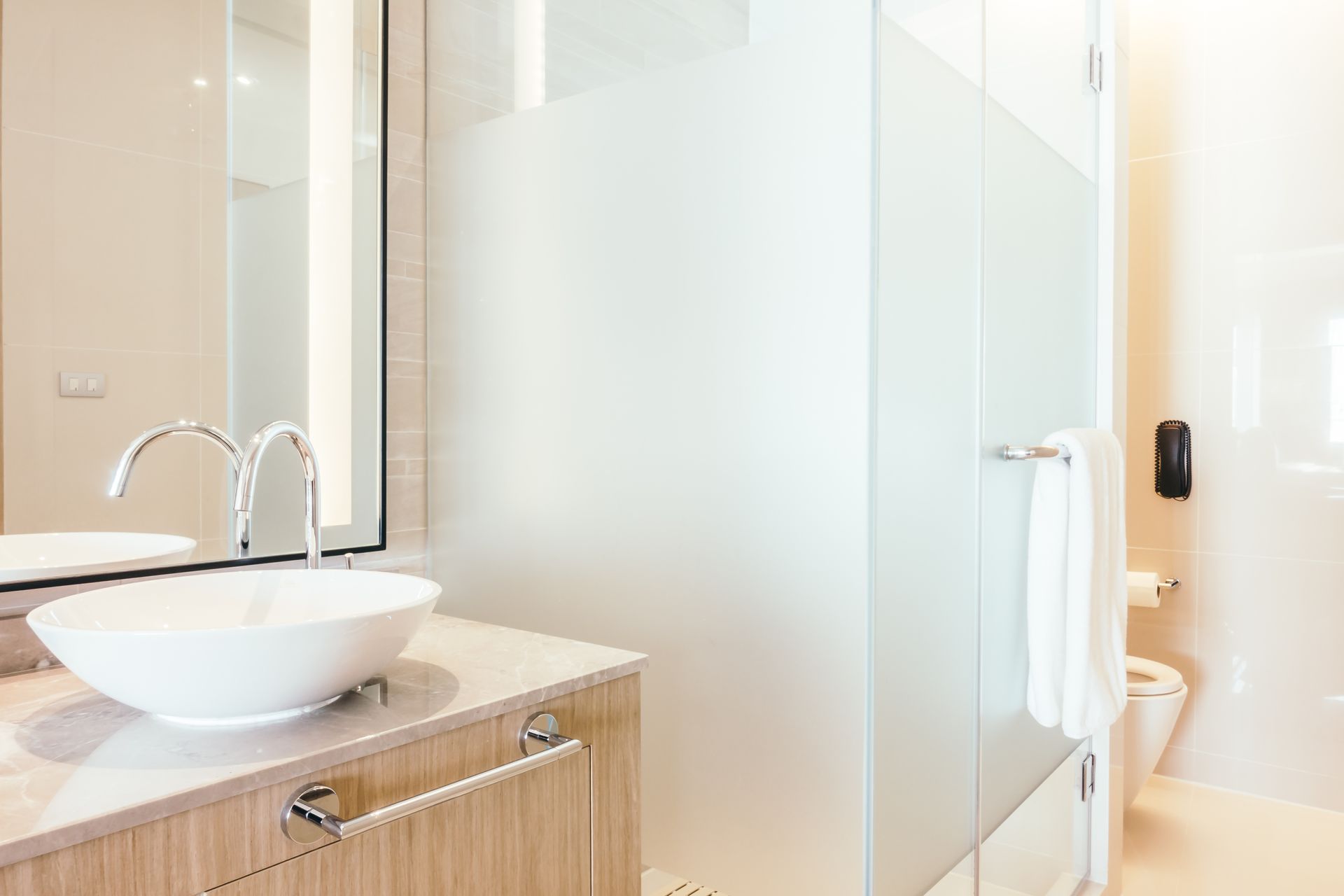
Bathrooms generate massive amounts of steam that needs a clear escape route. When exhaust fans are outdated or improperly vented into an attic space, that moisture settles back onto your walls and floors. Over time, this constant dampness penetrates standard drywall and degrades cheap flooring materials. You will typically notice peeling wallpaper or swelling baseboards as the first indicators of a ventilation failure.
→ A quick tip to remember: If your mirror stays fogged for more than ten minutes after a shower, your ventilation system is not pulling enough air.
Why Over The Counter Fixes and DIY Fail
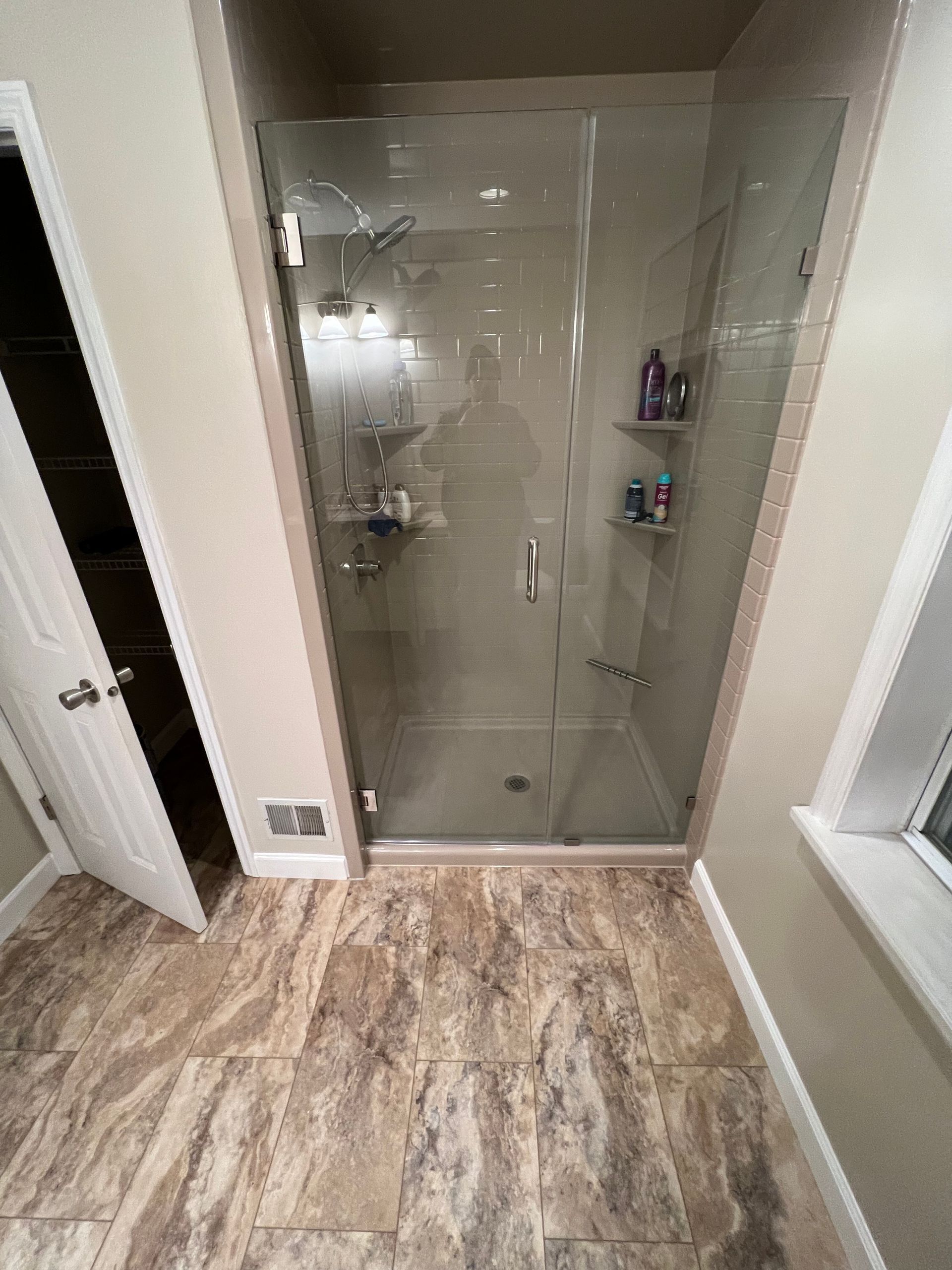
Homeowners often try to scrub away dark spots or apply thick layers of bleach to salvage their walls. These retail cleaning products only remove the surface discoloration while the actual fungal roots remain embedded in the porous drywall. Caulking over old, cracked grout is another common DIY mistake that simply traps moisture behind the new seal. This trapped water eventually rots the wooden studs framing your shower enclosure.
→ From a professional standpoint: Applying new silicone over failing caulk guarantees that trapped water will rot your wall from the inside out.
How do contractors deal with mold during a bathroom remodel?
When we open up walls in Albany County homes, we often find unexpected fungal growth hiding behind old tile installations. Professional contractors never just spray bleach and install new boards over the mess. We completely remove the compromised drywall and treat the exposed wooden studs with commercial grade antimicrobial solutions. Once the framework is treated and fully dried, we install moisture-resistant backer boards that prevent organic growth from ever returning.
→ A quick tip to remember: True remediation requires removing the food source, which means getting rid of all standard paper faced drywall in the wet zone.
Choosing Materials That Fight Back
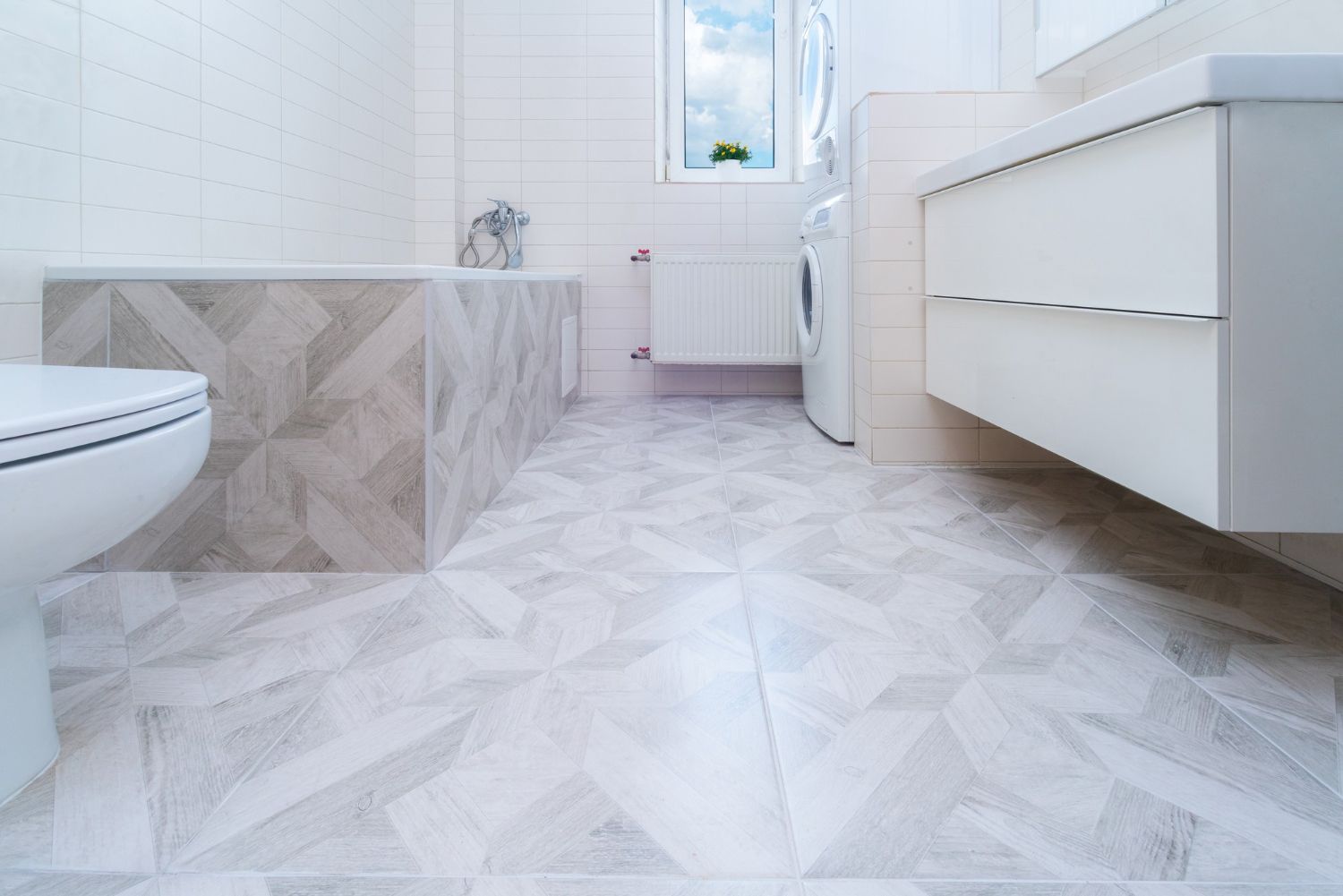
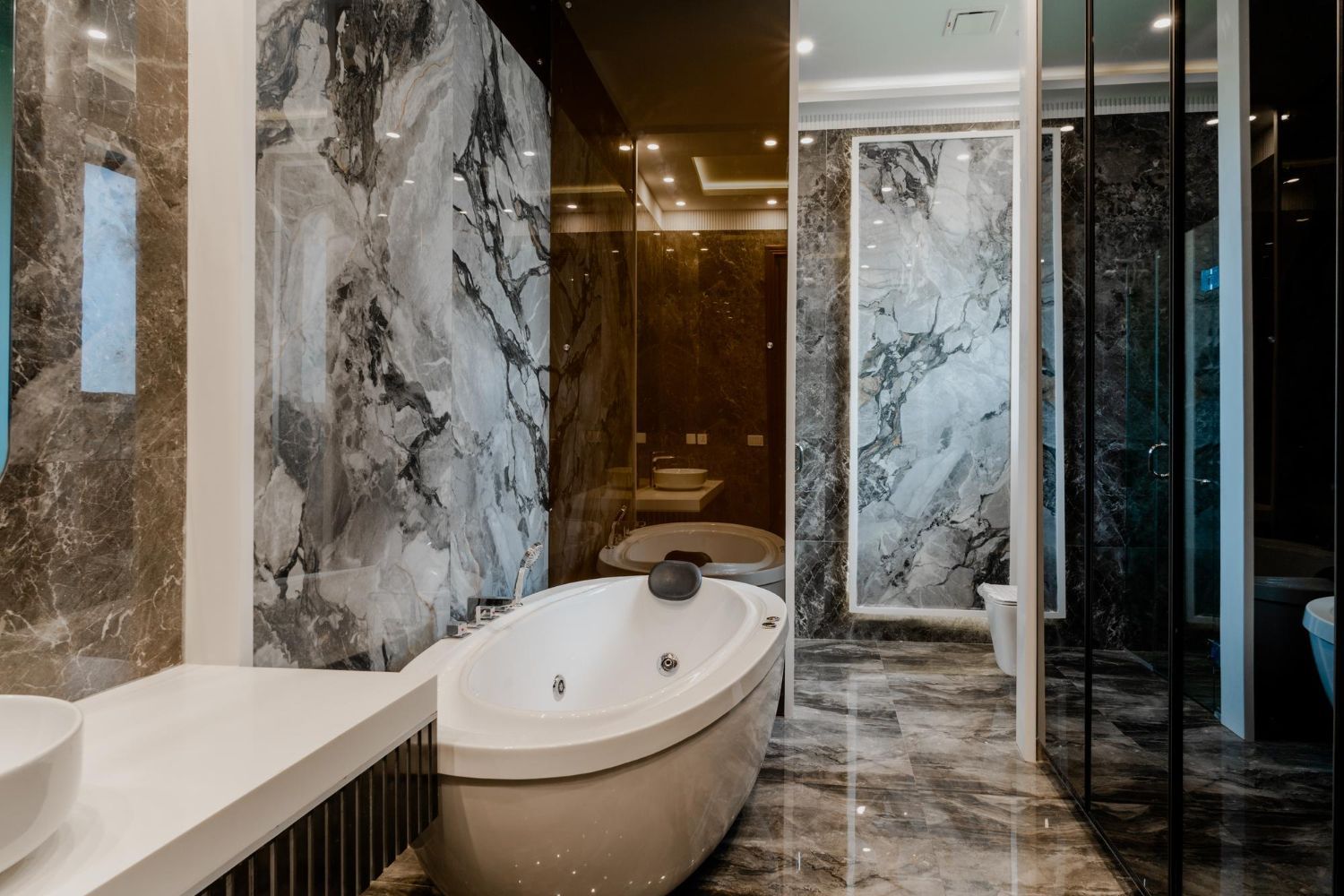
Using sustainable products goes hand in hand with building a moisture proof environment. Low VOC paints lack the harsh chemicals of traditional paints but offer incredible resistance to peeling in highly humid rooms. We also utilize recycled glass and porcelain tiles because they have incredibly low absorption rates. These eco-friendly materials do not hold onto water, meaning airborne moisture stays on the surface where your exhaust fan can easily pull it away.
→ From a professional standpoint: Recycled porcelain tile provides a nearly impenetrable barrier against water absorption compared to porous natural stone.
Securing Your Space for the Future
Your daily routine deserves a clean space built on solid craftsmanship. The right eco-friendly upgrades protect your property from hidden rot while keeping your indoor air safe to breathe. Take the next step toward a healthier home environment. Reach out to our crew to schedule your design consultation and get an honest assessment of your moisture control needs.
Share This Blog