Fixing Poor Drainage With Professional Wet Area Remodeling Solutions
Ignoring a shower pan that holds water is a guaranteed way to invite rot and structural damage into your home. At TGD Remodeling, we frequently see Schenectady County homeowners brush off slow drains until the subfloor completely gives out. Poor drainage is rarely just a simple clog because it often points to a failed installation or a degraded slope beneath the tile.
Tackling this problem requires acting before moisture has a chance to spread into the surrounding walls. A professional wet area remodeling project corrects the underlying geometry of the shower pan and installs properly sized drain lines. The window to fix these issues without rebuilding the entire floor joist system gets smaller every time you run the water.
In This Article:
- Stage 1: Assess Your Drainage Warning Signs
- Stage 2: Schedule Professional Interventions
- Stage 3: Protect the Surrounding Structure
- Frequently Asked Questions
- Taking Action on Standing Water
Stage 1: Assess Your Drainage Warning Signs
You need to evaluate the exact nature of the standing water to understand the severity of the problem. Identifying these early warning signs tells you if the slope itself has failed.
- Puddle locations: Check if water pools in the corners of the shower rather than flowing directly toward the center drain.
- Grout discoloration: Look for dark or crumbling grout lines near the floor which indicate water is sitting long enough to break down the mortar.
- Soft spots: Press firmly on the floor tiles to feel for any spongy movement that suggests the subfloor is already compromised.
- Persistent odors: Take note of any musty smells that stick around after cleaning because this means water is trapped beneath the surface.
Stage 2: Schedule Professional Interventions
Once you confirm the drainage issue is structural, booking a qualified contractor is the next required step. Getting a professional on site stops the ongoing damage and sets the plan for a permanent fix.
- Immediate inspection: Have a trade expert measure the pitch of the current shower floor to confirm if the slope meets building codes.
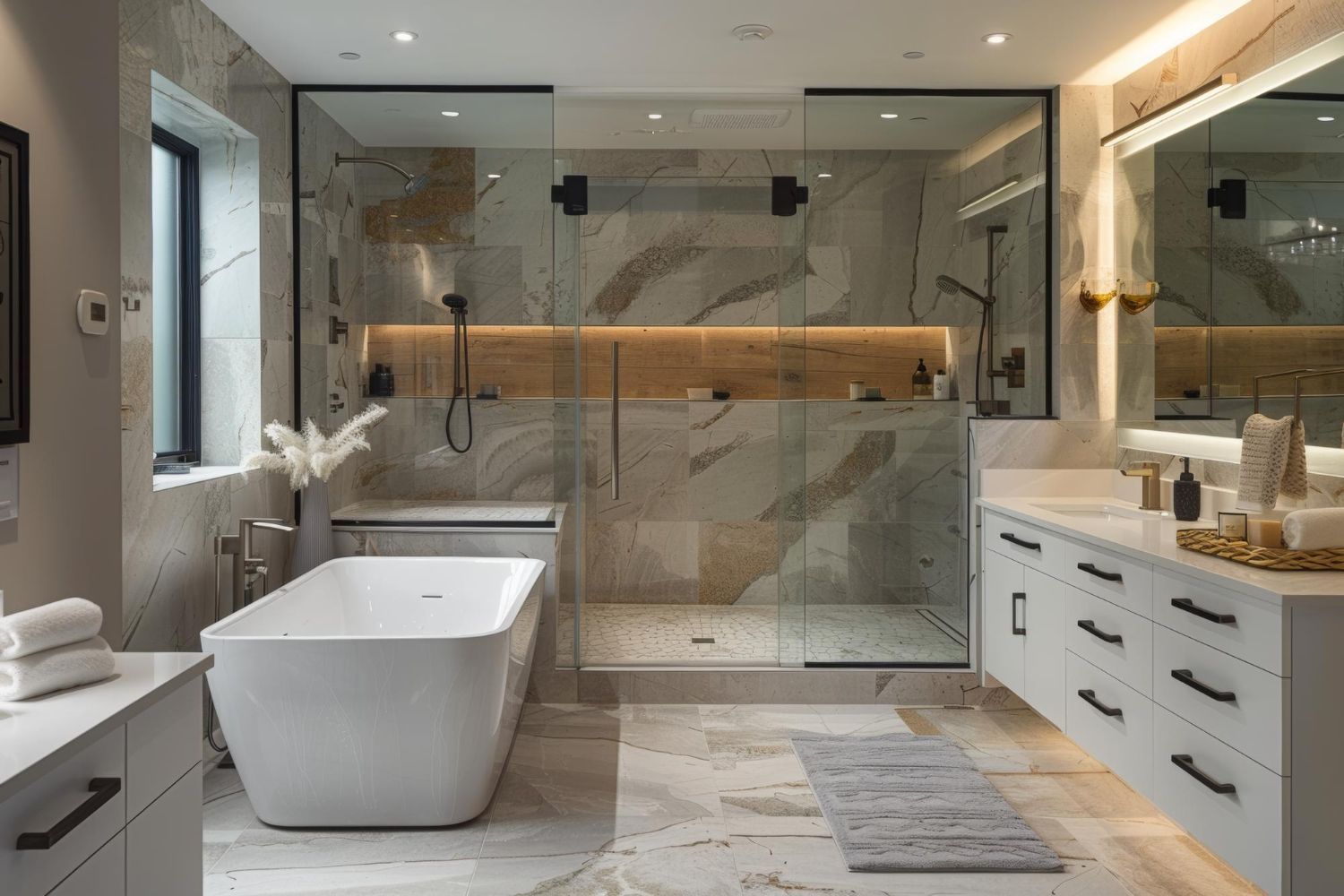
- Material choices: Discuss installing durable waterproof tiles and modern linear drains that handle high water volume without backing up.
- Layout adjustments: Plan to adjust the plumbing footprint if the original drain placement forces water to travel too far across a flat surface.
- Timeline planning: Lock in your project dates quickly to prevent another season of daily water exposure from eating away at your framing.
Stage 3: Protect the Surrounding Structure
The final stage involves executing the rebuild and safeguarding the rest of the bathroom from future leaks. A proper wet area remodeling project rebuilds the barrier from the studs outward.
- Moisture barriers: Ensure the team installs high quality waterproofing membranes behind the cement board before any new tile goes up.
- Precision grading: Require a newly poured mortar bed that drops exactly a quarter inch per foot toward the drain opening.
- Sealed perimeters: Use high grade silicone caulking around all directional changes to prevent capillary action from pulling water up the walls.
- Ventilation upgrades: Install a higher capacity exhaust fan to pull ambient moisture out of the air before it settles on your new surfaces.
► Waiting to fix a poorly pitched shower floor will eventually rot your structural joists and turn a standard upgrade into a massive framing repair.
Frequently Asked Questions
Why does water pool in the center of the shower floor instead of draining?
Pooling happens when the drain flange sits higher than the surrounding tile or the underlying mortar bed was laid too flat. Plumbers and tile setters must work together to ensure the drain assembly sits slightly recessed so gravity can actually do its job. Surface tension alone will hold water back if the pitch is not aggressive enough.
Can poor drainage cause hidden structural damage?
Yes. When water sits on grout for hours, it eventually penetrates the porous material and reaches the waterproofing layer. If that layer has a single pinhole or tear, moisture seeps into the wood subfloor and causes dry rot that you will not see until the floor physically sags.
How do modern linear drains improve water flow?
Linear drains require a single slope instead of a complicated four way pitch. This allows contractors to use larger format tiles and creates a more direct path for water to exit the shower pan. They also boast a larger surface area to capture heavy water volume from modern shower heads.
Taking Action on Standing Water
A shower that refuses to drain is an active threat to the bones of your house. Getting a professional to tear out the failed pan and build a correctly pitched wet area is the only way to stop the bleeding. Stop hoping the water will eventually drain and contact TGD Remodeling to secure your spot on our schedule.
Share This Blog